
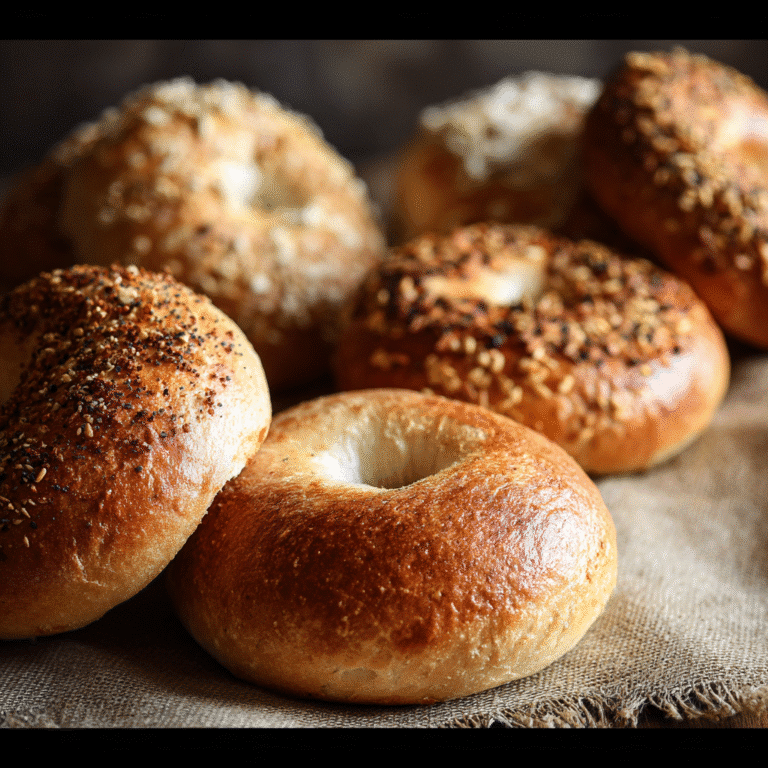
There’s something magical about waking up to the smell of freshly baked bagels especially when they’re made with your own sourdough starter. My journey with sourdough bagels began on a quiet Sunday morning when I decided to give my bubbly starter a new purpose beyond bread loaves. The first batch wasn’t perfect too soft, a little flat but that tangy aroma hooked me. After a few tries, I learned that the key lies in patience, firm dough, and just the right boil before baking. Today, these chewy, flavorful bagels have become a weekend tradition in my home, the kind of recipe that invites everyone to linger a bit longer at the breakfast table.
Thank you for reading this post, don't forget to subscribe!Beyond the satisfaction of baking, sourdough bagels offer something deeper a taste of slow food made by hand, nurtured by fermentation. In this guide, you’ll learn how to make them from scratch, understand the science behind that signature chew, and master a few simple tricks for professional-style results.
Why I Fell in Love with Sourdough Bagels
The first time I made sourdough bagels, I realized how different they were from the ones I used to buy. Store-bought bagels often lack that depth of flavor the subtle tang that comes from a long, natural fermentation. When you use sourdough starter instead of commercial yeast, the dough develops complexity while remaining beautifully chewy inside and crisp on the outside. The process might take longer, but it’s far more rewarding. You’ll notice how the dough tightens during shaping, how it springs back during boiling, and how that golden crust forms in the oven.
Every step of the sourdough bagel journey tells a story one of care, timing, and transformation. And unlike regular bagels, sourdough versions stay fresher for longer, thanks to the acidity that naturally preserves moisture. If you’re looking to elevate your baking routine, this recipe will quickly become your go-to for breakfast or brunch.
What Makes Sourdough Bagels Special
What sets sourdough bagels apart is the balance of flavor and texture. The tangy undertone pairs beautifully with sweet or savory toppings, while the firm dough gives that satisfying chew bagel lovers crave. Compared to standard yeasted recipes, sourdough fermentation strengthens gluten naturally, creating a bagel that’s dense yet tender the best of both worlds.
You also control every variable: fermentation time, hydration, and bake temperature. Want a bolder flavor? Extend the cold proof overnight. Prefer a softer bite? Shorten the ferment slightly. Once you understand how your starter behaves, you’ll easily adapt the recipe to your taste. Whether topped with sesame seeds, everything seasoning, or just a touch of sea salt, sourdough bagels celebrate both craft and comfort a humble breakfast turned into an artisanal experience.
Ingredients & Tools for Sourdough Bagels
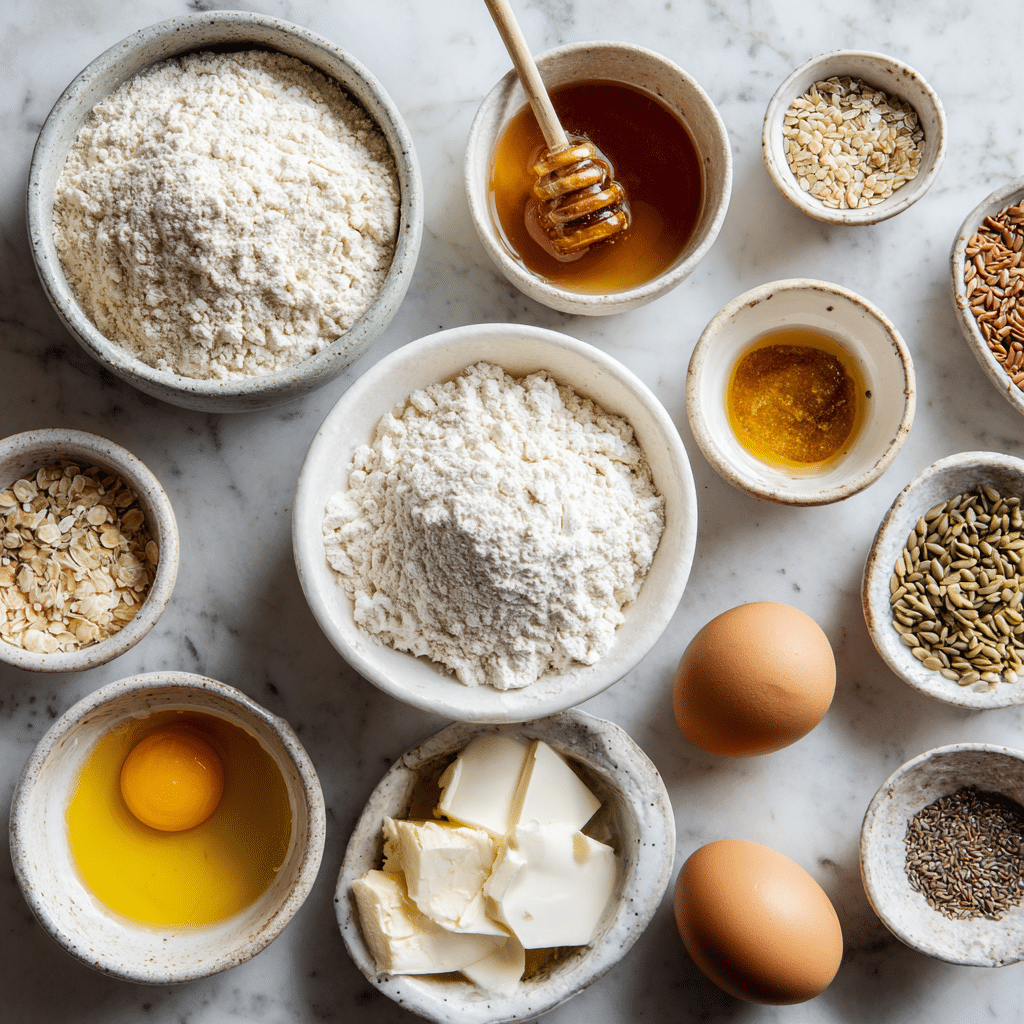
Baking perfect sourdough bagels starts with quality ingredients and the right tools. Knowing why each component matters will make your bagels consistent, flavorful, and perfectly chewy every time.
Core Ingredients and Why They Matter
| Ingredient | Amount (Imperial) | Amount (Metric) | Purpose |
|---|---|---|---|
| Active sourdough starter | ½ cup | 120 g | Provides natural fermentation, flavor, and leavening |
| Bread flour | 3 ½ cups | 420 g | High-protein flour creates chew and structure |
| Water (lukewarm) | 1 cup | 240 ml | Hydrates dough; temperature controls fermentation speed |
| Honey or barley malt syrup | 2 tbsp | 30 g | Adds subtle sweetness and helps browning during boiling/baking |
| Salt | 1 ½ tsp | 9 g | Enhances flavor and strengthens gluten |
| Optional: toppings | As desired | As desired | Sesame, poppy seeds, everything seasoning, etc. |
Tip: For the best results, use a mature, active starter that has been fed 6–8 hours before mixing.
Essential Tools and Optional Extras
- Mixing bowl or stand mixer – to combine ingredients evenly.
- Dough scraper – for handling sticky dough.
- Baking sheets & parchment paper – to prevent sticking.
- Large pot for boiling – critical for creating that shiny, chewy crust.
- Slotted spoon – for transferring boiled bagels to the tray.
- Thermometer (optional) – ensures water is at the correct boiling temperature (~212°F/100°C).
- Toppings trays or small bowls – for seeds or spices.
Pro tip: Lightly flour your work surface when shaping, but don’t over-flour it can prevent the bagels from forming a smooth crust.
Method: From Dough to Oven
Mastering sourdough bagels is all about understanding the dough, fermentation, and careful handling. Follow these steps for bagels that are chewy, golden, and full of flavor.
Mixing, Bulk Fermentation & Shaping
Start by combining your active sourdough starter, bread flour, water, honey, and salt in a large bowl. Knead the dough for 8–10 minutes until it forms a firm, slightly sticky ball. A stand mixer with a dough hook works well, but hand-kneading is equally effective.
Once kneaded, let the dough rest for 30–60 minutes at room temperature. This bulk fermentation allows the gluten to relax and the starter to develop flavor. After resting, divide the dough into 8–10 equal portions. Roll each piece into a smooth ball, then poke a hole in the center and stretch gently to form a bagel ring. Avoid tearing the dough; it should maintain tension to rise evenly.
Pro tips:
- Keep dough covered with a damp towel to prevent drying.
- A slightly firm dough creates the classic chewy texture.
- If dough feels slack, let it rest a few extra minutes before shaping.
Boiling, Topping & Baking
Boiling is what sets bagels apart from ordinary bread. Bring a large pot of water to a gentle boil and add 1–2 tablespoons of honey or malt syrup. Boil each bagel for 60–90 seconds per side. Longer boiling produces a chewier crust; shorter time yields softer bagels.
Remove bagels with a slotted spoon and drain briefly. Place them on a parchment-lined baking sheet. Add toppings now sesame seeds, poppy seeds, or “everything” seasoning stick best after a quick water bath. Bake in a preheated oven at 425°F (220°C) for 20–25 minutes, turning once halfway, until golden brown.
Pro tips:
- Ensure bagels are spaced evenly; overcrowding prevents crisp crusts.
- For a shiny finish, brush with a thin layer of egg wash before topping.
- Cool on a wire rack to maintain chewiness and prevent soggy bottoms.
Tips, Troubleshooting & Serving
Even experienced bakers encounter challenges with sourdough bagels. This section will help you avoid common mistakes, improve results, and enjoy your bagels in delicious ways.
Troubleshooting Common Issues
Flat or wrinkled bagels: Often caused by overproofing, weak gluten development, or too much water in the dough. Ensure your dough is firm, rested properly, and shaped tightly.
Dense or undercooked centers: Boil bagels thoroughly and bake at the correct temperature. A slightly under-fermented starter can also lead to heavy bagels, so use an active, bubbly starter.
Storage tips: Store bagels in an airtight container at room temperature for 2–3 days. Freeze for longer storage simply thaw and toast before eating.
Serving Ideas and Variations
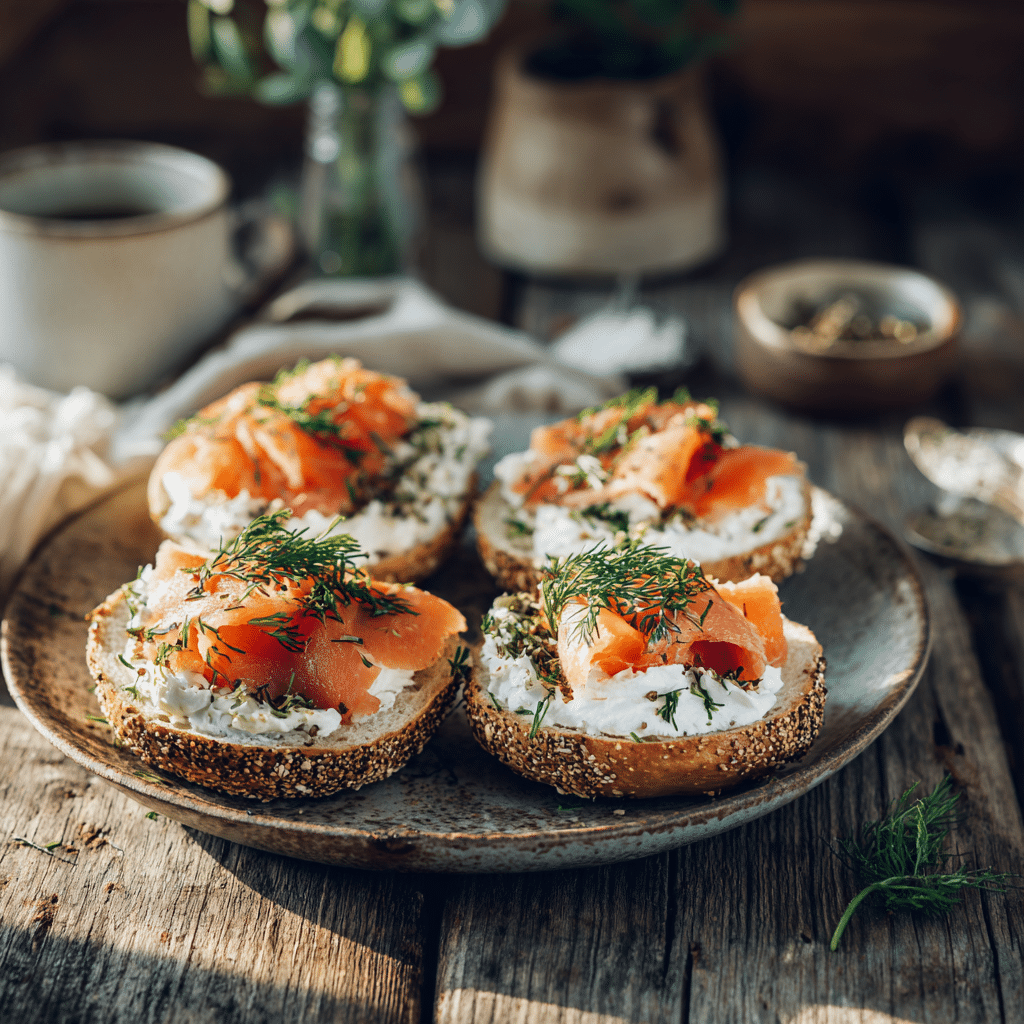
Sourdough bagels are versatile and can be enjoyed in countless ways:
- Toasted with cream cheese or butter
- As a sandwich base with eggs, smoked salmon, or deli meats
- Sweet versions with cinnamon-sugar or chocolate chips
- Topped with seeds, herbs, or cheese before baking for extra flavor
Get creative with mix-ins like dried cranberries, olives, or everything seasoning. Sourdough bagels invite experimentation while keeping that signature chew and tang.
FAQ
Can I double this sourdough bagel recipe?
Yes, simply double all ingredients and ensure you have a large enough bowl and baking space. Dough may take slightly longer to ferment.
Why are my sourdough bagels flat or wrinkled?
Common causes include overproofing, slack dough, or improper shaping. Ensure dough is firm, rested, and shaped with tension.
Can I use sourdough discard instead of active starter?
Yes, but the rise and flavor may be slightly less pronounced. Consider adding a bit of extra flour and allowing a longer ferment.
What can substitute for barley malt syrup or honey?
Light corn syrup, brown sugar, or maple syrup can be used to add sweetness and help browning in the water bath.
The Best Sourdough Bagels
- Total Time: 12 hours (including fermentation)
- Yield: 8–10 bagels
Description
Homemade sourdough bagels with that signature tang, golden crust, and chewy texture a weekend breakfast tradition made from your own starter.
Ingredients
- ½ cup (120 g) active sourdough starter
- 3 ½ cups (420 g) bread flour
- 1 cup (240 ml) lukewarm water
- 2 tbsp (30 g) honey or barley malt syrup
- 1 ½ tsp (9 g) salt
- Optional toppings: sesame seeds, poppy seeds, everything seasoning
Instructions
- Combine starter, flour, water, honey, and salt in a large bowl. Knead 8–10 minutes until firm and slightly sticky.
- Let rest 30–60 minutes at room temperature for bulk fermentation.
- Divide dough into 8–10 portions, shape into balls, then poke and stretch centers to form bagels.
- Cover with a damp towel while shaping to prevent drying.
- Bring a large pot of water to a gentle boil with 1–2 tbsp honey or malt syrup.
- Boil each bagel 60–90 seconds per side; longer for chewier crusts.
- Remove with slotted spoon and place on parchment-lined baking sheet.
- Add toppings if desired; seeds stick best after boiling.
- Bake at 425°F (220°C) for 20–25 minutes, turning halfway, until golden brown.
- Cool on wire rack before serving.
Notes
Store in airtight container for 2–3 days or freeze and toast before serving. For stronger flavor, extend cold proof overnight. Use an active, bubbly starter for best results.
- Prep Time: 30 minutes
- Cook Time: 25 minutes
- Category: Breakfast
- Method: Baked
- Cuisine: American